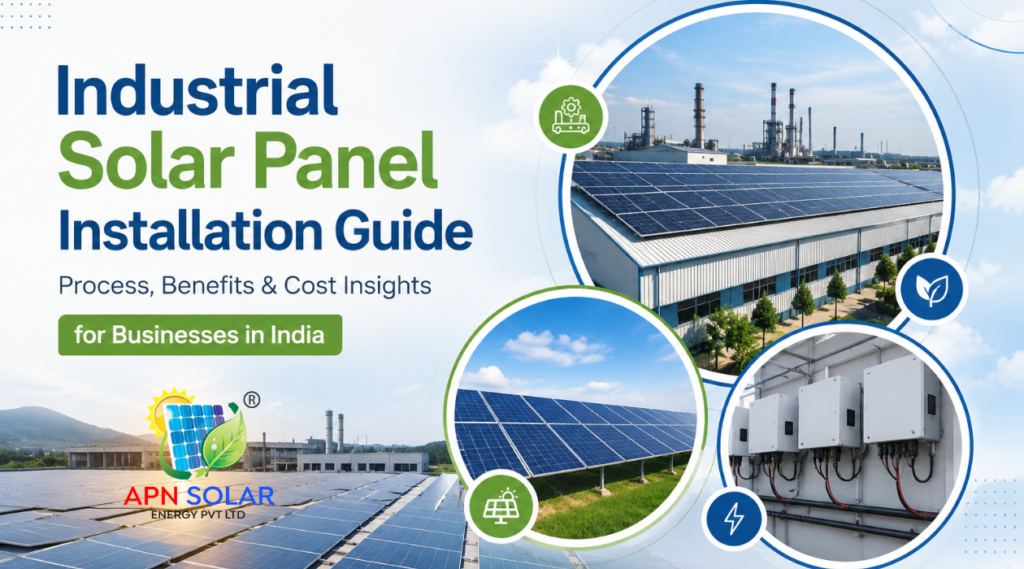
Rising industrial electricity costs in India are pushing factories, warehouses, manufacturing plants, and commercial facilities to adopt solar energy as a long-term power solution. Businesses with high daytime electricity consumption are increasingly investing in industrial solar panel installation to reduce operational expenses, improve energy efficiency, and achieve sustainability goals.
Modern solar panel installation systems allow industries to generate electricity directly from rooftop spaces or large ground-mounted solar plants. With advancements in solar PV technology, industrial solar power systems have become more reliable, cost-effective, and scalable for commercial use.
Today, rooftop solar PV system adoption is growing rapidly across industries because it helps businesses lower dependence on grid electricity while protecting against rising power tariffs. A professionally planned solar system installation also offers long-term financial benefits through reduced electricity bills and low maintenance costs.
This industrial solar panel installation guide explains the complete solar installation process, major system components, installation guidelines, and key factors industries should consider before investing in solar power installation in India.
What Is Industrial Solar Panel Installation?
Industrial solar panel installation is the process of setting up a large-scale solar power system for factories, warehouses, manufacturing plants, and commercial buildings to generate electricity from solar energy. These systems are designed to handle high industrial power consumption efficiently and reduce dependence on grid electricity.
Unlike residential solar installation, industrial solar PV system installation involves larger system capacities, higher energy generation requirements, advanced electrical infrastructure, and more complex engineering. Industrial solar systems are typically installed on large factory rooftops, industrial sheds, commercial buildings, or open land for solar power plant installation.
A complete industrial solar installation generally includes:
- Solar panels
- Mounting structures
- Solar inverters
- Solar electrical wiring
- Monitoring systems
- Earthing and safety equipment
- Net metering connection
Industrial rooftop solar systems are widely preferred because they utilize unused rooftop space while helping businesses reduce operational electricity costs.
Industries in India consume massive amounts of electricity every day for machinery, production lines, cooling systems, lighting, and continuous operations.
To manage this efficiently, many businesses adopt a commercial solar system for businesses to significantly reduce operating costs and improve energy efficiency. Rising commercial electricity tariffs are increasing pressure on businesses to adopt cost-effective energy alternatives. As a result, solar energy installation and solar plant installation projects are growing rapidly across manufacturing units, warehouses, textile industries, food processing plants, and large commercial facilities.
Types of Industrial Solar Systems
Industries can choose different types of solar systems based on electricity consumption, available space, operational requirements, and project scale. The two most common options are rooftop solar PV systems and ground-mounted solar power plants. Both systems help businesses reduce electricity costs and improve long-term energy efficiency.
Rooftop Solar PV System
A rooftop solar PV system is installed on factory rooftops, industrial sheds, warehouses, and commercial buildings. This is widely used in projects similar to a commercial solar system for businesses in India for large-scale energy generation. This is one of the most widely adopted forms of solar power installation in India because it utilizes unused rooftop space efficiently without requiring additional land.
In industrial rooftop solar projects, mounting solar panels are fixed on metal sheet roofs or RCC structures using specially designed mounting systems. These systems are engineered to withstand wind loads, rain, and harsh industrial conditions.
A roof top solar PV system is ideal for industries with large rooftop areas and high daytime electricity consumption. It helps businesses lower monthly electricity bills while maximizing the use of existing infrastructure.
Ground Mounted Solar Power Plant
A ground-mounted solar power plant installation is suitable for industries with large open land availability and high energy requirements. These land-based solar plant installation systems are commonly used for captive power generation in manufacturing plants and large industrial operations.
Industries usually prefer ground-mounted solar energy installation when rooftop space is insufficient or when planning large MW-scale projects. Ground-mounted systems also allow easier expansion and better layout flexibility for future capacity additions.
These large-scale solar systems help industries achieve long-term energy savings, improved energy independence, and lower operational costs.
Complete Industrial Solar Panel Installation Process
A successful industrial solar panel installation requires proper planning, engineering, and execution to ensure maximum energy generation and long-term system reliability. The solar panel installation process for factories, warehouses, and commercial buildings involves several important stages, from energy assessment to final commissioning.
Site Survey and Energy Analysis
The first step in the solar system installation process is analyzing the industry’s electricity consumption. Solar experts review monthly electricity bills, connected load, peak demand, and operating hours to determine the required system capacity.
A detailed site survey is then conducted to evaluate rooftop conditions, structural strength, and available installation area. During planning, industries also refer to system sizing guides like the solar panel requirement calculation to estimate correct system capacity. At this stage, engineers perform shadow analysis to identify obstacles such as nearby buildings, water tanks, or equipment that may reduce solar generation.
The feasibility study also checks roof orientation, tilt suitability, and electrical infrastructure compatibility. Proper analysis helps industries select the right solar PV system installation capacity while ensuring long-term performance and safety.
Solar System Design and Planning
After the site survey, engineers prepare a detailed solar panel plan based on the industry’s energy requirements and rooftop layout. This stage includes load calculation, module arrangement, inverter sizing, and cable route planning.
The solar installation guidelines followed during design ensure efficient energy generation and system safety. Structure design is also finalized based on wind load, roof type, and environmental conditions.
A properly designed solar system improves plant efficiency, reduces energy losses, and simplifies future maintenance.
Most industrial setups today use an on-grid solar system guide for seamless integration with the electricity grid and optimized energy savings.
Mounting Solar Structures and Panel Installation
The next stage involves mounting solar structures and solar panel fitting. High-quality galvanized steel or aluminum mounting systems are used to secure solar panels safely on industrial rooftops.
While mounting solar panels, installers maintain the correct tilt angle and row spacing to maximize sunlight exposure and energy generation. Industrial rooftops often experience high temperatures, wind pressure, and heavy rainfall, making structure quality extremely important.
Proper panel installation ensures long-term durability and stable solar power generation.
Solar Electrical Wiring and Inverter Installation
Once panel installation is completed, technicians begin solar electrical wiring and inverter setup. Solar panel wiring includes connecting modules through DC cables and integrating them with the inverter system.
Both AC and DC wiring are carefully planned to reduce transmission losses and maintain electrical safety. Proper cable management, earthing, and surge protection are essential parts of industrial solar installation.
Solar inverter installation is one of the most critical stages because the inverter converts DC electricity generated by solar panels into usable AC electricity for industrial operations. Modern inverter systems also help monitor plant performance and generation efficiency.
Testing, Solar Connection and Commissioning
Before the system becomes operational, engineers perform testing and commissioning procedures to verify safety and performance. This includes checking voltage levels, cable connections, inverter functionality, and protection systems.
The solar connection process also involves grid synchronization and net metering integration. After inspection approvals, the solar power system is connected to the industrial electrical network. A critical part of this stage is understanding the net metering guide, which allows industries to export excess solar power to the grid and reduce electricity bills further.
Final commissioning ensures the solar plant installation operates efficiently, safely, and according to industry standards.
Major Components Used in Industrial Solar Installation
An industrial solar installation consists of multiple components that work together to generate, convert, and distribute electricity efficiently. The quality of these components directly affects system performance, safety, and long-term reliability. Choosing the right equipment is essential for maximizing energy generation and reducing maintenance costs.
Solar Panels
Solar panels are the primary component of any industrial solar power system because they convert sunlight into electricity. Modern industrial projects commonly use Mono PERC, TOPCon, and bifacial solar panels due to their higher efficiency and improved performance.
You can explore detailed options in the types of solar panels in India guide for better selection based on industrial needs.
High-efficiency solar panels generate more electricity within limited rooftop space, making them ideal for factories, warehouses, and commercial buildings. To understand performance differences, industries often compare technologies using monocrystalline vs polycrystalline solar panels before final selection. Bifacial panels are also becoming popular in large industrial solar projects because they can generate power from both sides of the module, improving overall energy output.
Solar Inverters
Solar inverter installation plays a critical role in industrial solar systems. The inverter converts DC electricity produced by solar panels into usable AC electricity for industrial operations.
Large industrial projects typically use advanced inverter systems designed for high-capacity power generation and continuous performance monitoring. A reliable inverter improves system efficiency, energy management, and operational stability while helping industries monitor solar generation in real time.
Mounting Structures and Wiring
Mounting solar structures provide the foundation for safe and stable panel installation. Industrial mounting solar systems must withstand strong winds, heavy rain, high temperatures, and long-term outdoor exposure.
Corrosion-resistant galvanized steel or aluminum structures are commonly used for durability and long operational life. Proper solar panel wiring and solar electrical wiring are equally important to ensure safe power transmission, reduce energy losses, and maintain overall system safety.
Benefits of Industrial Solar Panel Installation
Industrial solar panel installation provides long-term financial and operational advantages for factories, warehouses, manufacturing plants, and commercial facilities. As electricity prices continue to rise in India, businesses are increasingly investing in solar power installation to reduce operating costs and improve energy efficiency.
Significant Electricity Cost Savings
One of the biggest advantages of an industrial solar power system is reduced electricity expenses.
Studies such as how solar panels reduce electricity bill India explain how solar directly impacts long-term cost reduction. Industries with high daytime power consumption can generate a major portion of their electricity through solar energy installation, helping lower monthly utility bills significantly.
Large rooftop solar installation projects can offset substantial commercial electricity usage, especially in manufacturing and processing industries that operate continuously.
Faster Return on Investment (ROI)
Industrial solar systems offer strong long-term returns because businesses save money on electricity for decades. Most commercial solar setup projects recover their investment through energy savings over time while continuing to generate low-cost electricity afterward.
As industrial electricity tariffs increase, the financial benefits of solar become even more attractive.
Reduced Dependence on Grid Electricity
Industrial solar power generation helps businesses reduce dependence on unstable grid supply and rising electricity tariffs. In some cases, industries also explore a hybrid solar system guide for backup power and improved energy reliability.
This improves energy security and helps industries maintain smoother operations during peak demand periods.
Sustainable and Environment-Friendly Operations
Solar energy installation supports sustainability goals by reducing carbon emissions and dependence on fossil fuels. Many industries are adopting solar systems to improve ESG performance and meet environmental compliance standards.
Long-Term Operational Benefits
Modern industrial solar systems require relatively low maintenance and can operate efficiently for 25 years or more. With proper system design and quality components, businesses benefit from stable energy generation, predictable operating costs, and improved long-term profitability.
How to Choose the Right Solar Installation Company
Selecting the right solar installation company is critical for the success, safety, and long-term performance of an industrial solar project. It is always recommended to follow standards like explained in why hire certified solar installer for safe and reliable execution.
A reliable solar EPC company ensures proper design, engineering, installation, and maintenance of the entire system, making it essential for large-scale solar system installation in India.
Experience in industrial projects is one of the most important factors to consider. Companies with proven EPC expertise understand load requirements, structural challenges, and compliance standards required for factories, warehouses, and commercial facilities. They also ensure proper solar system design, efficient solar panel installation, and optimized energy output.
Certifications, engineering capabilities, and after-sales support are equally important. A professional EPC provider follows industry standards for safety, electrical design, and installation guidelines while offering long-term monitoring and maintenance support.
Choosing an established provider like APN Solar ensures reliable execution, strong engineering support, and high-quality components for industrial-scale projects. You can evaluate industry leaders through the list of top 5 solar installation companies in India for 2026 to make a better decision. It also helps businesses achieve better ROI and system performance.
When evaluating a solar installation company, industries should prioritize technical expertise, project experience, and service reliability to ensure a successful and long-lasting solar power investment.
Conclusion
Industrial solar panel installation has become one of the most effective solutions for businesses looking to reduce rising electricity costs and improve long-term operational efficiency. A well-planned solar system installation helps factories, warehouses, and commercial facilities generate clean energy while achieving strong financial returns over time.
Whether it is a rooftop solar PV system or a large solar power plant installation, industries benefit from reduced dependence on grid electricity, lower operational expenses, and improved energy stability. With proper design, engineering, and execution, solar systems can deliver reliable performance for more than two decades.
Investing in solar is not just about cost savings—it also supports sustainability goals and strengthens energy independence for industrial operations. For businesses aiming to scale efficiently, industrial solar adoption is now a strategic advantage rather than an option.
Frequently Asked Questions
1. What is the industrial solar panel installation process?
The industrial solar panel installation process includes site survey, energy analysis, system design, mounting structures, panel installation, solar electrical wiring, inverter setup, testing, and grid connection. A proper solar system installation ensures maximum efficiency, safety, and long-term performance for industrial and commercial applications.
2. How much does industrial solar installation cost in India?
Industrial solar installation costs in India depend on system size, panel type, structure design, and site conditions. For better budgeting, industries often compare system sizes using guides like 3kw 5kw 10kw solar system to understand pricing scalability. Large-scale solar power installation projects generally have lower per-kW costs due to economies of scale, making solar a cost-effective long-term investment for industries.
3. How long does a solar power plant installation take?
A solar plant installation timeline varies based on project size, approvals, and site conditions. Most industrial solar power plant installation projects take a few weeks to a few months, including design, procurement, installation, testing, and final commissioning.
4. What are the benefits of rooftop solar PV systems for industries?
A rooftop solar PV system helps industries utilize unused roof space for power generation. It reduces electricity bills, improves energy efficiency, and supports sustainable operations. Roof top solar PV system installations are ideal for factories and warehouses with large operational energy demands.
5. Why is solar inverter installation important?
Solar inverter installation is essential because it converts DC electricity from solar panels into usable AC power for industrial use. Proper solar electrical wiring and inverter configuration ensure stable performance, efficient energy conversion, and safe system operation.
6. How do industries choose the best solar installation company?
Industries should select a solar installation company with strong EPC experience, industrial project expertise, certifications, and reliable after-sales support. A trusted provider ensures proper solar system installation in India with optimized design, safety compliance, and long-term system performance.
7. What is the difference between rooftop and ground-mounted solar systems?
A rooftop solar PV system is installed on factory or warehouse roofs, while ground-mounted systems are built on open land. Rooftop systems save space and reduce costs, whereas ground-mounted solar installations are better suited for large-scale solar power plant installation projects with higher energy requirements.