Rising electricity costs are becoming a major challenge for businesses across India, especially for factories, warehouses, shopping malls, hotels, hospitals, and commercial offices that consume large amounts of power every day. To reduce operational expenses and improve long-term energy savings, many companies are now investing in commercial rooftop solar solutions. Modern commercial solar systems allow businesses to generate clean electricity directly from unused rooftop spaces, helping them lower dependence on traditional grid power.
With advancements in solar technology, commercial solar panels have become more efficient, durable, and cost-effective for large-scale applications. Installing a solar power system for business operations not only reduces electricity bills but also supports sustainability goals and environmental responsibility. Commercial properties with large rooftops can maximize unused space by adopting rooftop solar installations that deliver long-term financial benefits.
As demand for renewable energy continues to grow, businesses are increasingly choosing reliable solar partners like APN Solar for customized commercial solar installation solutions. This growth has also increased interest in solar franchise opportunities in India among entrepreneurs.
Definition of Commercial Rooftop Solar
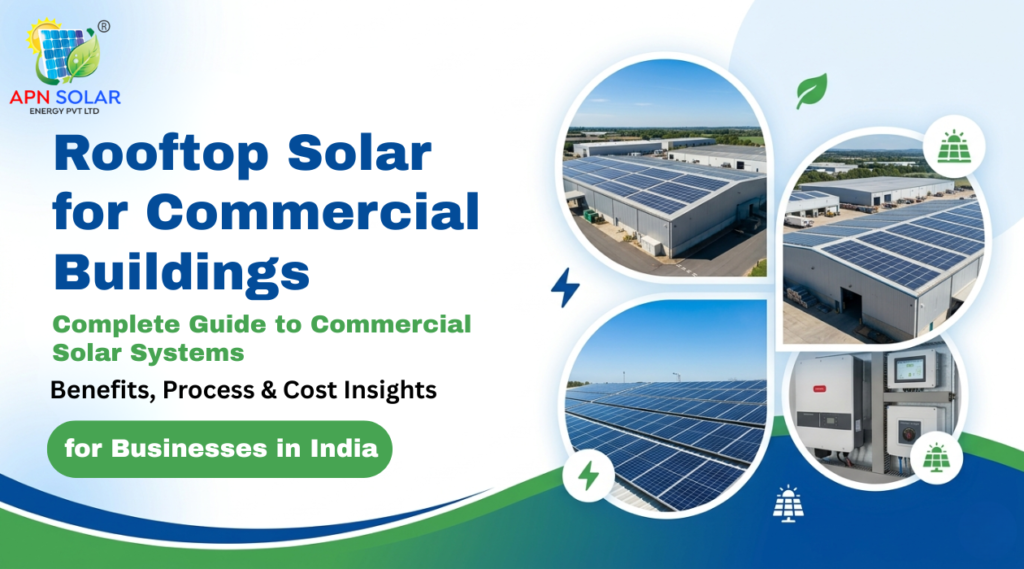
Commercial rooftop solar refers to solar energy systems installed on the rooftops of commercial and industrial properties to generate electricity for daily business operations. These systems use solar panels to capture sunlight and convert it into usable power through photovoltaic technology. Unlike residential installations, commercial rooftop solar systems are designed to handle larger energy demands and support high electricity consumption across commercial facilities.
Modern commercial solar systems help businesses reduce dependence on conventional grid electricity while utilizing available rooftop space efficiently. These systems are commonly installed on large commercial properties where rooftops can support extensive solar panel installations for long-term power generation and energy savings.
Where Commercial Rooftop Solar Is Used
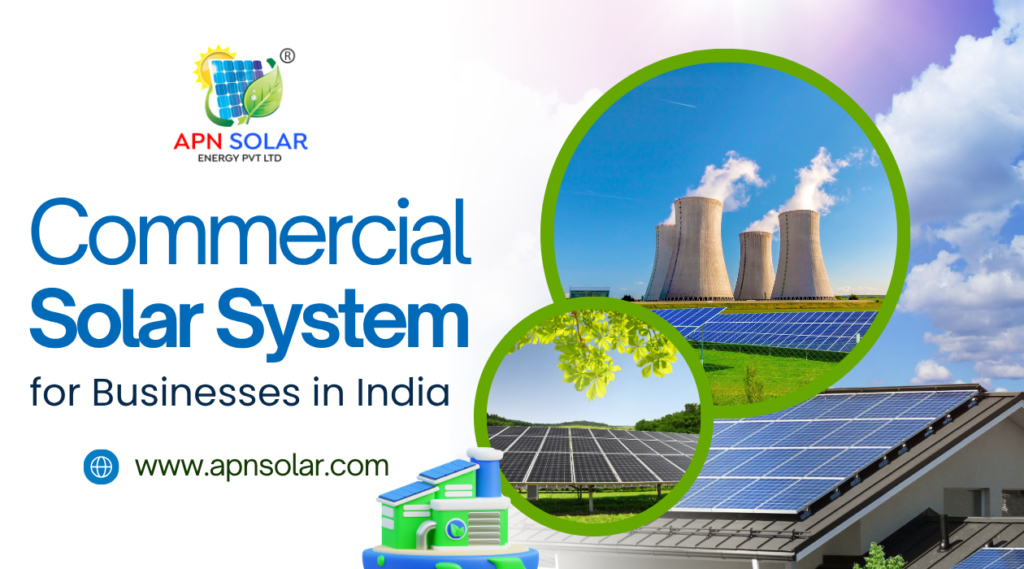
Commercial rooftop solar installations are widely used across various industries and commercial sectors in India. Businesses planning large-scale adoption often evaluate system design, savings potential, and installation models through a complete understanding of a commercial solar system for businesses in India before making investment decisions. Businesses with large rooftops and high daytime electricity consumption benefit the most from solar energy systems. Factories and manufacturing units use industrial solar rooftop solutions to power machinery and production equipment, while warehouses and logistics centers utilize rooftop space for large-scale solar installations.
Solar panels for commercial buildings are also commonly installed on offices, shopping malls, hotels, hospitals, educational institutions, and commercial complexes. These businesses require continuous electricity for lighting, cooling systems, elevators, servers, and operational equipment, making rooftop solar a practical long-term energy solution.
Why Businesses Are Adopting Commercial Solar
Businesses across India are rapidly investing in commercial solar projects because rising electricity costs directly impact operational profitability. Installing a solar power system for business operations helps companies significantly reduce monthly electricity expenses and protect against increasing utility tariffs. Since commercial buildings consume large amounts of daytime electricity, rooftop solar systems can generate substantial long-term savings.
In addition to financial benefits, many organizations are adopting commercial solar solutions to achieve sustainability and environmental goals. Businesses are increasingly focusing on reducing carbon emissions and improving energy efficiency through renewable energy adoption. Commercial rooftop solar also offers strong long-term ROI, making it a strategic investment for companies looking to improve operational efficiency while supporting clean energy initiatives.
How Commercial Solar Systems Work
Commercial solar systems generate electricity by converting sunlight into usable power for commercial and industrial operations. These systems are designed to support high electricity consumption in factories, warehouses, offices, hotels, hospitals, and other commercial properties. A standard commercial solar installation includes solar panels, solar inverters, mounting structures, and monitoring systems that work together to produce and manage electricity efficiently. Modern commercial solar electric systems help businesses reduce dependence on conventional grid power while improving long-term energy savings and operational efficiency.
Commercial Solar Panels Generate Electricity
Commercial solar panels capture sunlight and produce direct current (DC) electricity for commercial applications. These Solar panels for commercial use are installed on rooftops where maximum sunlight exposure is available throughout the day. The efficiency and output depend heavily on technology selection, which is why many businesses compare different types of solar panels in India before finalizing their system.
Solar Photovoltaic Technology
Solar photovoltaic technology works by converting sunlight into electricity through photovoltaic cells present inside solar panels. When sunlight hits the panels, the cells generate DC electricity that can be used within the commercial solar system.
Role of Solar Inverters
Solar inverters are one of the most important components of commercial solar power systems because they convert generated electricity into usable power for commercial equipment and appliances.
DC to AC Electricity Conversion
The inverter converts direct current (DC) electricity produced by solar panels into alternating current (AC) electricity, which is required to operate machinery, lighting systems, air conditioning units, and office equipment.
Net Metering in Commercial Rooftop Solar
Net metering allows businesses using commercial rooftop solar systems to export excess electricity to the utility grid when solar generation exceeds consumption. This becomes more effective when businesses understand how net metering works in solar systems in India and how credits are adjusted against electricity bills.
Exporting Excess Electricity to the Grid
Through net metering, surplus electricity generated during daytime operations is sent back to the grid, helping businesses receive energy credits and reduce overall electricity costs.
Monitoring and Performance Tracking
Modern commercial solar electric systems include smart monitoring solutions that track power generation, system efficiency, and overall performance in real time. Businesses can monitor electricity production and identify maintenance requirements quickly for improved operational reliability.
Benefits of Rooftop Solar for Commercial Buildings
Commercial rooftop solar has become one of the most effective energy solutions for businesses looking to reduce operational costs and improve long-term sustainability. With rising electricity tariffs across India, many companies are adopting commercial solar systems to generate clean electricity directly from their rooftops. From factories and warehouses to offices and shopping complexes, installing a solar power system for business operations helps organizations achieve better energy efficiency, lower utility expenses, and improved return on investment. In addition to financial benefits, rooftop solar systems also support environmental goals by reducing dependence on conventional energy sources.
Lower Commercial Electricity Bills
One of the biggest advantages of commercial rooftop solar is the significant reduction in monthly electricity expenses. Businesses that consume large amounts of daytime electricity can offset a major portion of their power usage through commercial solar power systems. Since solar energy is generated directly at the commercial property, companies can reduce overall operational costs and improve profitability over time.
Reducing Dependence on Grid Electricity
Commercial rooftop solar systems help businesses lower dependence on expensive grid electricity. This becomes especially beneficial for industries and commercial buildings facing continuously increasing electricity tariffs and high power consumption.
Better Return on Investment
Many businesses consider commercial solar projects a long-term investment because the savings generated through solar energy gradually recover the installation cost. Entrepreneurs exploring this sector often begin with guides like how to start a solar business in India to understand the ecosystem better. After achieving payback, businesses continue benefiting from low-cost electricity generation for many years.
Long-Term Energy Savings
Commercial solar systems typically operate efficiently for over two decades, helping businesses generate consistent energy savings and stronger long-term financial returns.
Productive Use of Rooftop Space
Large rooftops in factories, warehouses, and industrial facilities can be converted into energy-generating assets through industrial solar rooftop installations. Businesses can utilize unused rooftop areas effectively without requiring additional land.
Solar Installation on Warehouses and Factories
Rooftop solar panels in India are increasingly installed on warehouses and manufacturing units because these buildings usually have large shadow-free rooftops ideal for solar power generation.
Sustainability and Environmental Benefits
Businesses are increasingly investing in commercial solar power projects to reduce their environmental impact and support clean energy adoption. Solar energy helps companies improve sustainability goals while reducing dependence on fossil fuels.
Reducing Carbon Emissions
Commercial rooftop solar systems generate clean electricity without producing harmful emissions, helping businesses lower their overall carbon footprint and contribute to environmental conservation.
Low Maintenance Requirements
Modern commercial solar systems are designed for long-term performance and require relatively minimal maintenance compared to conventional power solutions.
Long Lifespan of Commercial Solar Panels
High-quality commercial solar panels generally have a lifespan of 25 years or more, making them a reliable and durable energy solution for commercial buildings and industrial facilities.
Types of Commercial Solar Systems
Commercial solar systems are available in different configurations based on business energy requirements, grid availability, and backup power needs. Selecting the right system depends on factors such as electricity consumption, location, operational requirements, and budget. Modern commercial solar electric systems are designed to help businesses improve energy efficiency while reducing long-term electricity costs. The three most common types of commercial solar systems are on-grid, off-grid, and hybrid solar systems.
On-Grid Commercial Solar Systems
On-grid systems are the most commonly used commercial rooftop solar solutions for businesses connected to the utility grid. These systems perform best when aligned with policies explained in the on-grid solar system guide in India, which helps businesses understand grid interaction and savings. These systems generate electricity during daytime hours and supply power directly to commercial operations. Any excess electricity generated can be exported to the grid through net metering.
Best for Businesses With Stable Grid Supply
On-grid systems are ideal for offices, shopping malls, factories, hospitals, and commercial buildings located in areas with reliable electricity supply because they reduce electricity bills without requiring battery storage.
Off-Grid Commercial Solar Systems
Off-grid commercial solar power systems operate independently without relying on the utility grid. These systems use battery storage to supply electricity during nighttime hours or low sunlight conditions.
Ideal for Remote Industrial Locations
Off-grid systems are suitable for industrial facilities, remote warehouses, and commercial properties located in areas with limited or unreliable grid connectivity where uninterrupted power availability is important.
Hybrid Commercial Solar Systems
Hybrid commercial solar electric systems combine the advantages of both grid-connected and battery-based solar solutions. Many businesses explore the advantages of a hybrid solar system in India when uninterrupted power supply and backup energy storage are required. These systems generate solar power while also storing excess electricity in batteries for backup usage.
Combining Solar Power With Battery Backup
Hybrid systems are beneficial for businesses that require continuous power supply and protection against power outages while still reducing dependence on grid electricity through solar energy generation.
Industries That Benefit Most From Commercial Rooftop Solar
Commercial rooftop solar is widely adopted across industries that have high electricity consumption and large unused rooftop spaces. Different business sectors are now investing in solar panels for commercial buildings to reduce operational costs and improve energy efficiency. Industrial solar solutions are especially effective for organizations that operate during daytime hours and require continuous power supply for production, cooling, lighting, and equipment usage.
Factories and Manufacturing Units
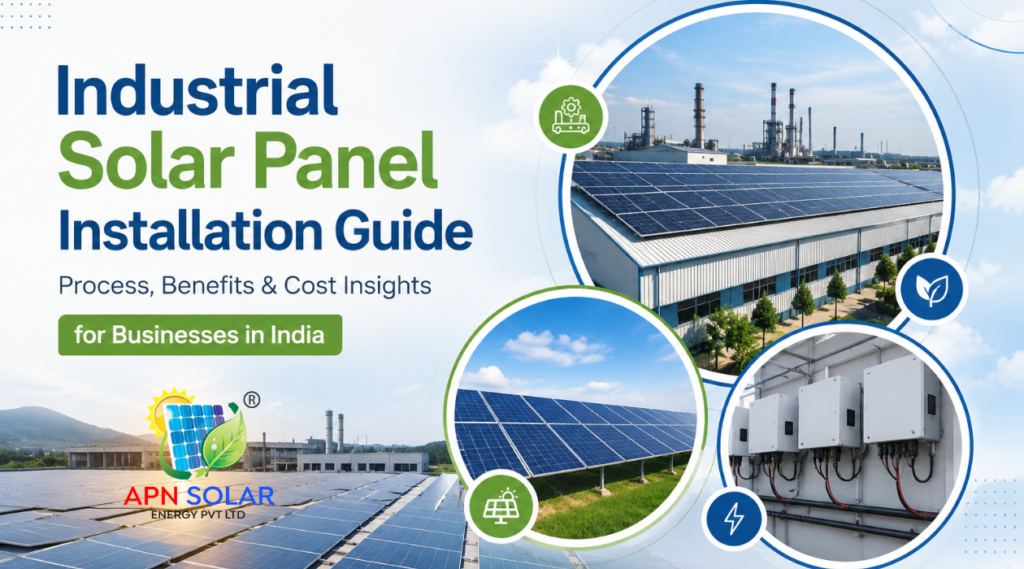
Factories and production units are among the biggest users of industrial solar systems because they operate heavy machinery and consume large amounts of electricity throughout the day. A detailed understanding of industrial solar panel installation in India helps businesses plan efficient rooftop utilization and system design.
High Daytime Electricity Consumption
Since industrial solar setups generate maximum power during daylight hours, factories can directly offset their high daytime electricity usage and significantly reduce operational expenses.
Warehouses and Solar Godowns
Warehouses and logistics centers are ideal for industrial solar rooftop installations due to their large, flat, and shadow-free roof spaces. These facilities can host large-scale solar panel installations without affecting daily operations.
Large Rooftops for Solar Panel Installation
A solar godown setup helps warehouse operators convert unused rooftop areas into productive energy-generating assets while reducing long-term electricity costs.
Hotels and Hospitals
Hotels and hospitals require continuous electricity for lighting, HVAC systems, kitchen operations, medical equipment, and guest services. Commercial solar systems provide a reliable solution to manage these high energy demands.
Reducing Operational Energy Costs
By adopting rooftop solar solutions, hotels and hospitals can significantly reduce monthly electricity bills while maintaining uninterrupted operations and energy reliability.
Shopping Malls and Commercial Offices
Shopping malls and corporate offices consume high amounts of electricity for lighting, air conditioning, elevators, and digital infrastructure, making them strong candidates for solar power system for business applications.
Managing High Commercial Power Demand
Rooftop solar helps commercial buildings manage peak electricity demand more efficiently while reducing dependency on expensive grid power during working hours.
Commercial Solar Panel Cost in India
Commercial solar panel cost in India varies depending on system size, installation requirements, and the type of technology used. Businesses investing in commercial solar installation must evaluate not only the upfront cost but also the long-term savings and return on investment. Since commercial solar systems are designed for large-scale energy generation, the overall cost is influenced by multiple technical and site-specific factors rather than a fixed price structure.
Factors Affecting Commercial Solar Cost
The cost of commercial solar projects depends on several key variables that determine system performance and efficiency. Larger systems with higher energy output naturally require more investment, but they also deliver greater long-term savings for businesses.
System Size and Roof Area
The overall capacity of the system and available rooftop space significantly impact installation cost. Proper system planning often begins with accurate solar panel requirement calculation to ensure optimal energy generation and ROI. Larger rooftops allow higher-capacity systems, which can generate more electricity and improve cost efficiency over time.
Solar Panel Technology
The type and efficiency of solar panels used in commercial installations directly affect pricing. Advanced, high-efficiency panels may cost more initially but offer better energy output and long-term performance.
Inverter and Installation Quality
High-quality inverters and professional installation practices are crucial for system reliability. Poor-quality components can reduce efficiency and increase maintenance costs in commercial solar projects.
Why Businesses Should Focus on ROI Instead of Initial Cost
Instead of focusing only on upfront investment, businesses should evaluate the long-term financial benefits of commercial solar power projects. Cost expectations and payback analysis are often better understood through benchmarks like the 5 kW solar system price in India Although installation may require initial capital, the savings generated through reduced electricity bills and long operational lifespan make solar energy a highly profitable investment for commercial and industrial users.
How to Choose the Right Commercial Solar Installation Company
Selecting the right partner for commercial solar installation is crucial for ensuring long-term performance, efficiency, and return on investment. Businesses should evaluate multiple factors before choosing a provider for commercial solar projects to avoid poor system design, low-quality components, or inadequate support services.
Experience in Commercial Solar Projects
A company’s experience in handling large-scale installations is a key indicator of reliability and technical capability.
Importance of Industrial Project Expertise
Expertise in industrial and commercial environments ensures proper system design, load assessment, and efficient execution for complex rooftop structures.
Quality of Solar Components
The performance of a solar system heavily depends on the quality of components used during installation.
Choosing Reliable Commercial Solar Panels
High-quality commercial solar panels ensure better efficiency, durability, and long-term energy generation with minimal performance degradation.
Engineering and Technical Support
Strong engineering support is essential for designing optimized solar systems tailored to business energy needs.
Long-Term Maintenance and Service
Ongoing maintenance and technical support help ensure consistent performance and reduce downtime in commercial solar systems.
Why Businesses Choose APN Solar
Many businesses prefer working with experienced providers like APN Solar for dependable and scalable solar solutions.
Customized Commercial Rooftop Solar Solutions
APN Solar offers tailored commercial rooftop solar systems designed to meet specific industrial and commercial energy requirements, ensuring maximum efficiency and long-term value.
Future of Commercial Rooftop Solar in India
The future of rooftop solar panels in India is expected to grow rapidly as businesses increasingly adopt renewable energy solutions to manage rising electricity costs and improve operational efficiency. Commercial rooftop solar is becoming a key part of India’s transition toward clean energy, especially for industries and commercial buildings with high power consumption.
Growing Adoption of Commercial Solar Systems – Rising Commercial Electricity Costs
The adoption of commercial solar systems is accelerating as businesses face continuously increasing electricity tariffs. Companies are turning to solar energy to reduce dependency on the grid and achieve long-term cost savings through efficient energy generation.
Government Support for Solar Energy – Renewable Energy Expansion in India
Government policies, subsidies, and renewable energy initiatives are further supporting the growth of commercial rooftop solar. India’s push toward large-scale renewable energy expansion is encouraging more businesses to invest in solar solutions for long-term sustainability and energy security.
Conclusion
Commercial rooftop solar has become a strategic energy solution for businesses aiming to reduce costs and improve sustainability. With rising electricity expenses and increasing focus on clean energy, commercial solar systems are now essential for long-term operational efficiency. Installing solar panels for commercial buildings helps businesses generate their own electricity, reduce dependency on the grid, and achieve significant financial savings while supporting environmental responsibility.
Why Commercial Rooftop Solar Is a Smart Business Investment – Long-Term Savings and Sustainability Benefits
Investing in commercial rooftop solar offers strong long-term returns through reduced electricity bills and improved energy independence. It also supports sustainability goals by lowering carbon emissions, making it a practical and future-ready solution for modern commercial and industrial operations.
Frequently Asked Questions
1. What is commercial rooftop solar?
Commercial rooftop solar refers to solar power systems installed on commercial and industrial buildings to generate electricity using sunlight. These commercial solar systems help businesses reduce dependence on grid electricity while utilizing unused rooftop space for clean and cost-effective energy generation.
2. How much can businesses save with commercial solar systems?
Businesses using commercial solar power systems can significantly reduce their electricity bills depending on system size and energy consumption. A solar power system for business operations helps offset daytime electricity usage, leading to long-term cost savings and improved operational efficiency.
3. Which businesses benefit most from commercial rooftop solar?
Industries with high electricity consumption such as factories, warehouses, offices, hotels, and shopping centers benefit the most. Industrial solar rooftop systems are especially effective for solar panels for commercial buildings with large roof areas and continuous daytime energy usage.
4. What is the lifespan of commercial solar panels?
Commercial solar panels typically have a lifespan of 25 years or more with proper maintenance. Over time, they continue to generate electricity efficiently, making them a reliable long-term energy solution for commercial and industrial applications.
5. What factors affect commercial solar panel cost?
The commercial solar panel cost depends on system size, rooftop area, panel technology, and installation quality. Commercial solar installation costs also vary based on project complexity, equipment selection, and energy requirements of the business.
6. Is rooftop solar suitable for warehouses and factories?
Yes, rooftop solar is highly suitable for warehouses and factories because they have large unused roof spaces and high daytime energy consumption. Industrial solar systems and solar godown installations help reduce operational electricity costs and improve energy efficiency.
7. How long does it take to install a commercial rooftop solar system?
The installation time for commercial rooftop solar systems depends on project size, rooftop condition, and system capacity. On average, commercial solar installation for small to medium projects may take a few weeks, while larger commercial solar systems can take longer due to design approval, equipment setup, and grid connectivity requirements.